India’s Import Bill Faces Shock Revision A $6 Billion Gap Unveiled
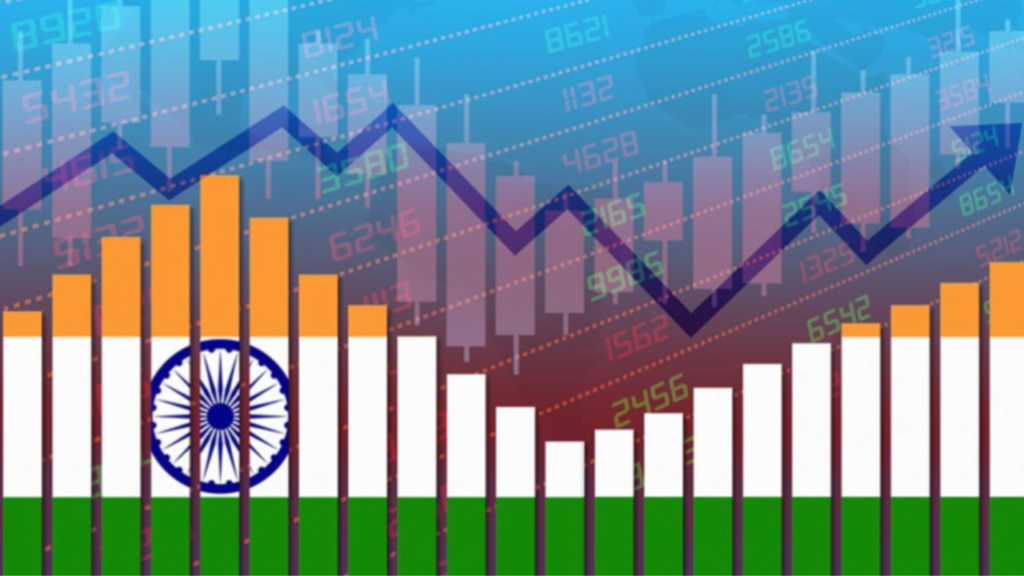
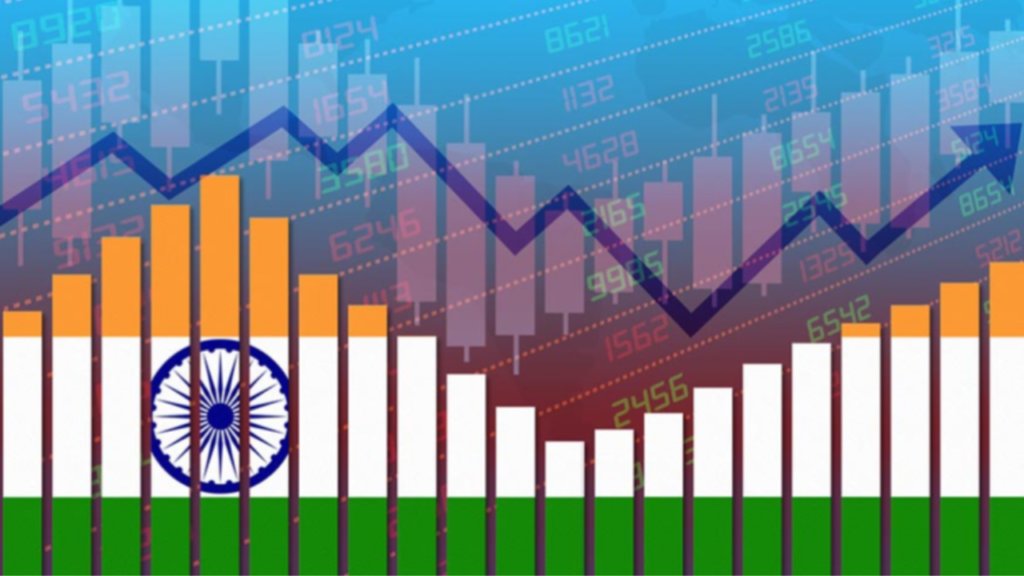
India’s trade data has been hit by a major revision, with the country’s import bill for November 2024 being adjusted downward by nearly $6 billion. What was reported as a record import figure of $70 billion has now been cut to $63.86 billion, according to fresh figures released by the Directorate General of Commercial Intelligence and Statistics (DGCIS).
This revision, which saw a $5 billion reduction in gold imports alone, has sparked confusion and concern among economists. The changes are so significant that some experts have criticized them as “statistical harakiri” – a term used to describe an act of self-sabotage with data.
The updated data also revealed that India’s overall import bill for the first eight months of the 2024-25 fiscal year, initially reported to have grown by 8.35% to reach $486.73 billion, has now been slashed by almost 3%. The revised figure stands at $472.5 billion, a downward revision that has raised eyebrows in economic circles.
Gold imports, which were originally pegged at a high value, played a major role in this shift. The figures show that $11.7 billion of the $14.2 billion revision in the import bill can be attributed to changes in the gold import data. This is a sharp drop, and it has left many experts puzzled as to how such a large discrepancy was not spotted earlier.
While the revision of import figures is not unheard of, the scale of the change this time has caught many off guard. Economists are questioning how such a drastic shift in data could have occurred and are concerned about the impact it may have on India’s overall trade outlook.
Gold, which remains one of India’s most significant imports, has been a major point of focus. Historically, the country has been one of the largest consumers of gold, and its imports are a key factor in determining the overall trade balance. With the revision of gold imports, many are left wondering what this means for India’s economy in the coming months.
It’s not just gold, though. The revised data paints a broader picture of India’s imports for the year so far, with several categories of goods showing unexpected changes. This has made it harder for economists to accurately assess the current state of the economy.
The import bill is a key indicator of the country’s economic health, and these kinds of revisions can create ripples in the market. When import numbers are revised so dramatically, it raises questions about the reliability of the data and whether future projections can be trusted.
For businesses and traders, the uncertainty around import numbers can cause issues in planning and forecasting. With revisions like these, companies may find it difficult to make informed decisions about their own strategies. The revision could also impact foreign exchange rates and international trade relations.
Many are now looking for answers. Was this revision a one-off event, or is it a sign of deeper problems within India’s trade data collection systems? As the story unfolds, India’s economic policymakers will likely face more pressure to explain these changes and restore confidence in the accuracy of the data.
In the coming days, the government will need to address the concerns raised by the revision. Transparency in how the data is collected and reported will be crucial to ensure that the economy remains on solid ground and that future figures are less prone to such large changes.
As the import bill continues to be scrutinized, one thing is clear: the unexpected revision of India’s trade figures is a stark reminder of how sensitive the economy can be to fluctuations in global trade and data accuracy. It’s a development that will likely be talked about for weeks to come, and it’s one that businesses and economists alike will be keeping a close eye on.
I am a dedicated editor at Moneyphobia.in. With a strong background in storytelling and a passion for the subject, I write engaging biographies of influential figures, aiming to educate and inspire readers.

Recent Posts
Could Gold (XAU/USD) Cross $6,000 in the Coming Months?
Tukaram Mundhe Biography: Age, Education, IAS Career, Wife, Family, Salary, Net Worth & More
NISM-Series-XV: Research Analyst Certification Examination
NISM-Series-II-A: Registrars to an Issue and Share Transfer Agents (Corporate) Certification
NISM-Series-I: Currency Derivatives Certification Examination
Ravneet Singh Bittu: Biography, Age, Education, Wife, Political Career, Net Worth & More
Pawan Kumar Chandana: Biography, Age, Education, Net Worth, Wife, Skyroot Aerospace & More
Aryan Kelvin (Aman Pandit): Age, Biography, Height, Village, Net Worth & More
OFSS Bihar Portal 2026: Complete Guide for 11th Admission, Login, Merit List & Spot Admission
Skyroot Aerospace Vikram-1 Launch: India's First Private Orbital Rocket Set for Historic Mission
Abhijeet Dipke Joins Protest at Jantar Mantar, CJP Raises Concerns Over Civil Rights
JPMorgan Invests $24 Million to Boost US Shipbuilding Industry